CONTACT US
Fill the form below and we will get back to you as soon as possible.
WHAT IS GASTRIC BYPASS SURGERY?
Gastric bypass, or Roux-en-Y gastric bypass, is one of the most commonly performed weight loss operations. The surgeon makes a small pouch from the upper section of the stomach, about the size of an egg, and connects it directly to a lower section of the small intestine. Food bypasses most of the stomach and the first section of the small intestine. You feel full on small portions and absorb fewer calories. The operation also changes gut hormones that control hunger and blood sugar. At North Florida Surgeons in Jacksonville, FL, our bariatric surgeons perform gastric bypass laparoscopically or robotically, in partnership with the Baptist Center for Bariatrics.
WHY CHOOSE US?
Our bariatric surgeons, including Dr. Craig Morgenthal and Dr. Steven Hodgett, work alongside dietitians and psychologists who prepare you for surgery and support you for years afterward.
Most patients stay in the hospital one to two nights and are walking the same day.
Before surgery you complete a preparation program with our dietitians, labs and any tests your insurance requires.
IS GASTRIC BYPASS RIGHT FOR YOU?
WHO QUALIFIES
Guidelines from the American Society for Metabolic and Bariatric Surgery (ASMBS) support surgery for adults with a body mass index (BMI) of 35 or higher, and for some people with a BMI of 30 to 34.9 who have metabolic disease. Many insurance plans ask for a BMI of 40, or 35 with a health condition such as type 2 diabetes, high blood pressure or sleep apnea, and proof that diet and exercise alone have not worked.
BEST CHOICE FOR ACID REFLUX
Gastric bypass is one of the most effective treatments for acid reflux (GERD) in patients with obesity. It is often recommended for people with severe heartburn, a large hiatal hernia, or reflux after a previous sleeve gastrectomy.
TYPE 2 DIABETES
Because it changes gut hormones as well as stomach size, gastric bypass gives patients with type 2 diabetes a high chance of lasting improvement or remission, often within weeks of surgery.
RESULTS YOU CAN EXPECT
Most patients lose about 30 to 35 percent of their total body weight, or 60 to 70 percent of their excess weight, over the first one to two years. Compare it with the sleeve gastrectomy, see all options on our bariatric surgery page, or read our guide to weight loss surgery options.
RISKS TO KNOW
Serious problems are uncommon. Possible risks include ulcers where the pouch joins the intestine, dumping syndrome, internal hernia or bowel blockage, leaks, and vitamin or iron deficiency. Not smoking, avoiding anti-inflammatory pain medicines and taking your vitamins keep these risks low.
HOW THE SURGERY IS DONE
ROUX-EN-Y GASTRIC BYPASS
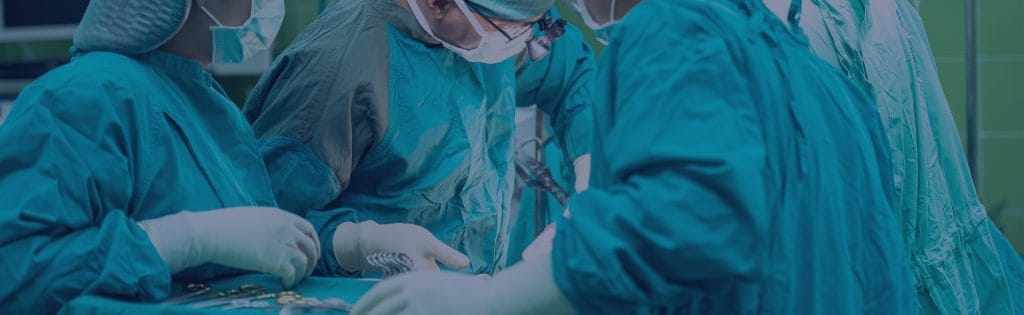
Through several small incisions, the surgeon divides the top of the stomach to make a small pouch and connects it to a limb of the small intestine. The operation usually takes two to three hours under general anesthesia.
ROBOTIC GASTRIC BYPASS
The same operation can be performed with robotic assistance, which gives the surgeon a magnified 3D view and precise stitching. Your surgeon will recommend the approach that suits you best.
REVISION SURGERY
We convert gastric bands and sleeve gastrectomies to gastric bypass when patients have severe reflux, regurgitation or weight regain after their first operation.
WHAT TO EXPECT
BEFORE SURGERY
You will meet with the surgeon, a dietitian and a psychologist, have blood tests and, when needed, an upper endoscopy. Many patients follow a low-calorie diet for about two weeks before surgery to shrink the liver. See our checklist for general surgery.
THE HOSPITAL STAY
You are up and walking a few hours after surgery. Our enhanced recovery (ERAS) approach helps control pain and nausea, and most patients go home after one or two nights.
THE POST-OP DIET
Your diet moves in stages over about six to eight weeks. You start with clear liquids and protein shakes, then move to pureed and soft foods, and finally to solid foods in small portions. Avoid sugar and sweet drinks. They can cause dumping syndrome, with cramping, sweating and diarrhea.
RECOVERY AND LIFE AFTER
Most people return to desk work in two to three weeks and avoid heavy lifting for about six weeks. You will take a multivitamin, vitamin B12, iron, calcium and vitamin D for life, avoid anti-inflammatory pain medicines such as ibuprofen, and see the bariatric team regularly.
OUR BARIATRIC SURGEONS
Gastric bypass at North Florida Surgeons is performed by board-certified surgeons including Dr. Craig Morgenthal and Dr. Steven Hodgett, working with the Baptist Center for Bariatrics.
GASTRIC BYPASS FAQS
How much weight will I lose after gastric bypass?
Most patients lose about 30 to 35 percent of their total body weight in the first one to two years. Long-term results depend on diet, activity and regular follow-up with the bariatric team.
Is gastric bypass better than a gastric sleeve?
Neither is best for everyone. Gastric bypass usually leads to slightly more weight loss and is better for acid reflux and type 2 diabetes. A sleeve gastrectomy is a simpler operation with a lower risk of ulcers and vitamin problems. Your surgeon will help you choose.
What is dumping syndrome?
Dumping syndrome happens when sugary or very rich food moves too quickly into the small intestine. It can cause cramping, nausea, sweating, a racing heart and diarrhea. Avoiding sweets and eating protein first prevents it in most patients.
Can I take ibuprofen after gastric bypass?
Anti-inflammatory pain medicines such as ibuprofen, naproxen and high-dose aspirin raise the risk of ulcers in the pouch, so most patients should avoid them for life. Acetaminophen is usually the safer choice. Ask your surgeon before taking any new medicine.
Is gastric bypass reversible?
A gastric bypass can be reversed in rare cases, but it is a major operation and is not done routinely. You should consider gastric bypass a permanent change.
Does insurance cover gastric bypass surgery?
Many plans cover bariatric surgery when you meet BMI and health requirements, and some require a supervised diet program first. See the insurance plans we accept or call our office to check your coverage.
When can I eat solid foods after gastric bypass?
Most patients start soft solid foods about four to six weeks after surgery and return to regular textures at about two months. Our dietitians guide you through each stage, and protein always comes first.
How do I schedule a gastric bypass consultation in Jacksonville?
Call (904) 398-0033 or use the contact form. Our office is at 836 Prudential Dr., Suite 1001, Jacksonville, FL 32207. Related: bariatric surgery, anti-reflux surgery.